The 5-Point Checklist for Chain Ordering Systems in 2026: Scalability, Integration, and Data Ownership

The 5-Point Checklist for Chain Ordering Systems in 2026: Scalability, Integration, and Data Ownership
As we navigate through 2026, the retail and Food & Beverage (F&B) landscape has reached a critical tipping point. For multi-unit chains and growing franchises, the "standard" Point of Sale (POS) is no longer sufficient to meet the demands of a hyper-digital market. The modern industry now requires a comprehensive order system that acts as the central nervous system of the entire operation—linking front-of-house speed with back-of-house logistics and corporate-level analytics.
In an era defined by rapid digital transformation and shifting consumer behaviors, the choice of your order system will either be the engine of your growth or the anchor that holds you back. Whether you are managing five locations or five hundred, your technology must be resilient, adaptable, and, above all, integrated. This guide provides a strategic 5-point checklist designed specifically for chain operators to evaluate their ordering infrastructure for 2026 and beyond.
1. Enterprise-Grade Scalability: Preparing for Multi-Region Expansion
Scalability in 2026 isn't just about the ability to handle more orders; it’s about managing increased complexity without adding more manual labor. For a growing chain, your order system must support a "hub-and-spoke" model where global standards are set at the headquarters while local nuances are managed seamlessly at the branch level.
Seamless Multi-Location Management
When expanding from 10 to 100 locations, manual menu updates become an impossible task. A robust system must offer a centralized Admin Dashboard that allows for:
- Global vs. Local Menu Control: Update pricing across all branches in a single click, while still allowing specific locations to toggle "out of stock" items locally to reflect real-time inventory.
- Time-Zone and Currency Support: This is essential for chains operating across different regions or international borders.
- Role-Based Access Control (RBAC): Ensuring that local managers have the right permissions to view their specific data without compromising global security or corporate-level settings.
Reliability Through Offline Capabilities
In a high-volume environment, even a few minutes of downtime can equal thousands of dollars in lost revenue. Your order system must feature offline reliability. If the internet connection fails, your POS and ordering kiosks should continue to process transactions and sync data automatically once connectivity is restored.

2. Deep Integration: Creating a Unified O2O Ecosystem
The modern guest journey is rarely linear. A customer might discover a brand via an Instagram ad, browse the menu through a web app, and eventually place their order at an in-store kiosk. In 2026, "Online-to-Offline" (O2O) will be the industry standard.
The Power of Unified APIs
A top-tier ordering system should not be a "walled garden". It must utilize powerful APIs to connect with the broader tech stack:
- Third-Party Delivery Platforms: Consolidate orders from platforms like Grab, Foodpanda, and Lineman into a single dashboard to reduce "tablet clutter" and minimize kitchen errors.
- Kitchen Display Systems (KDS): Orders from web, mobile, and kiosks should flow directly to the KDS, categorized by preparation time to optimize kitchen throughput.
- Inventory Management: Real-time synchronization between sales and stock levels is vital to prevent over-ordering and waste.
Operational Efficiency through Single Sign-On (SSO)
Efficiency is significantly boosted when staff can move between platforms—from loyalty management to dispatch—using a single login. This reduces the learning curve for new employees and enhances overall system security.
3. Data Ownership and Direct-to-Consumer (D2C) Control
One of the most significant risks for modern restaurant chains is the "data trap". If your orders only happen through third-party aggregators, you do not own your customer data. In 2026, data ownership is the difference between a brand that survives and a brand that thrives.
Protecting Your "Digital Gold"
A modern order system must allow you to capture every piece of guest data directly. This "digital gold" includes:
- Purchase History: Tracking exactly what was bought, when, and at which location.
- Behavioral Patterns: Understanding how often customers order and which channels they prefer.
- Contact Information: Owning email addresses and phone numbers for direct marketing efforts.
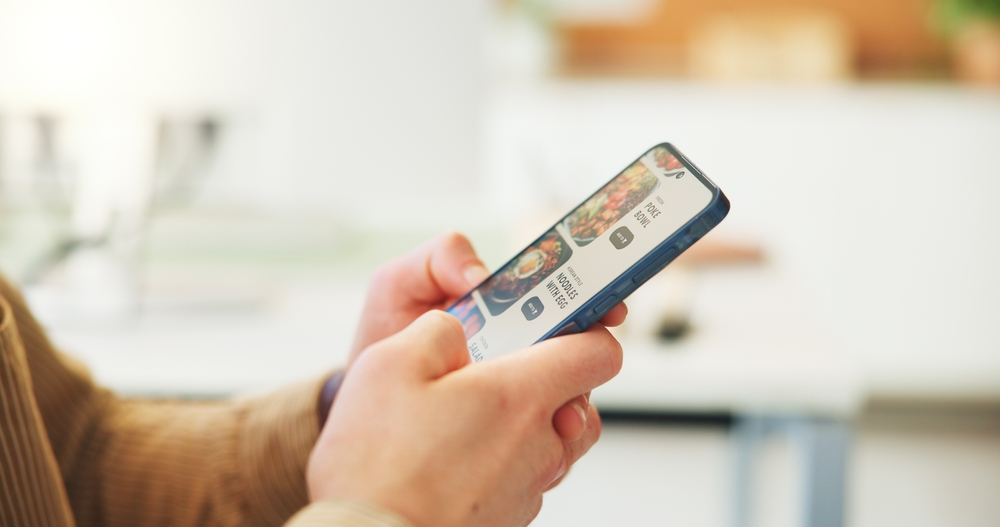
By prioritizing an order system that offers custom web and mobile ordering apps, brands can shift customers away from high-commission third-party platforms toward direct channels. This increases margins and ensures the brand owns the customer relationship from start to finish.
4. Integrated CRM and Loyalty: Turning Data into Revenue
A checklist for an order system is incomplete without a plan for retention. While acquisition is expensive, retention is highly profitable. In 2026, loyalty programs must be integrated directly into the ordering flow rather than acting as a separate "sidecar" app.
The "3Rs" of Modern Loyalty
An effective system leverages its CRM to deliver:
- Rewards: Seamlessly applying points or discounts during the checkout process, whether at a kiosk, POS, or on the web.
- Relevance: Using purchase history to suggest add-ons. If a customer frequently buys cheeseburgers, the system should offer a discount on their favorite side to increase the average basket size.
- Recognition: Making the guest feel valued. When a VIP customer scans their QR code at a table, staff should be alerted to provide a personalized greeting.
Automation and Personalization
The system should automatically trigger campaigns. For example, if a customer hasn't ordered in 30 days, the integrated CRM can send an automated "We Miss You" coupon via SMS or push notification, driving them back into the ordering funnel without manual intervention.
5. Future-Proof Technology: Kiosks, QR, and Beyond
The final point on the checklist is adaptability, as consumer habits change rapidly. Your order system must support multiple touchpoints to cater to different demographics.
Self-Ordering Kiosks and Table QR
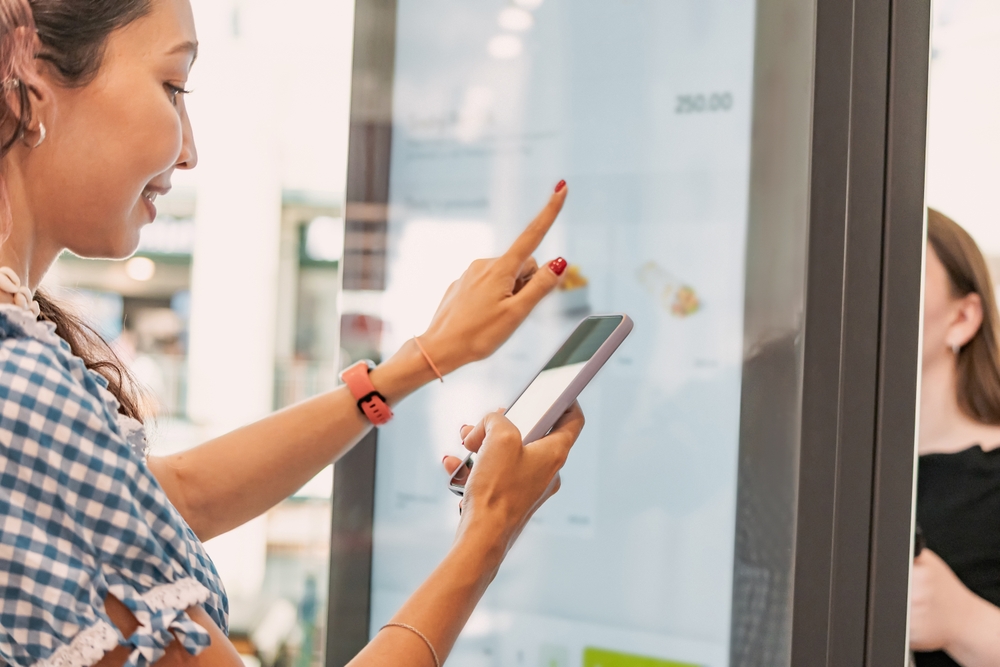
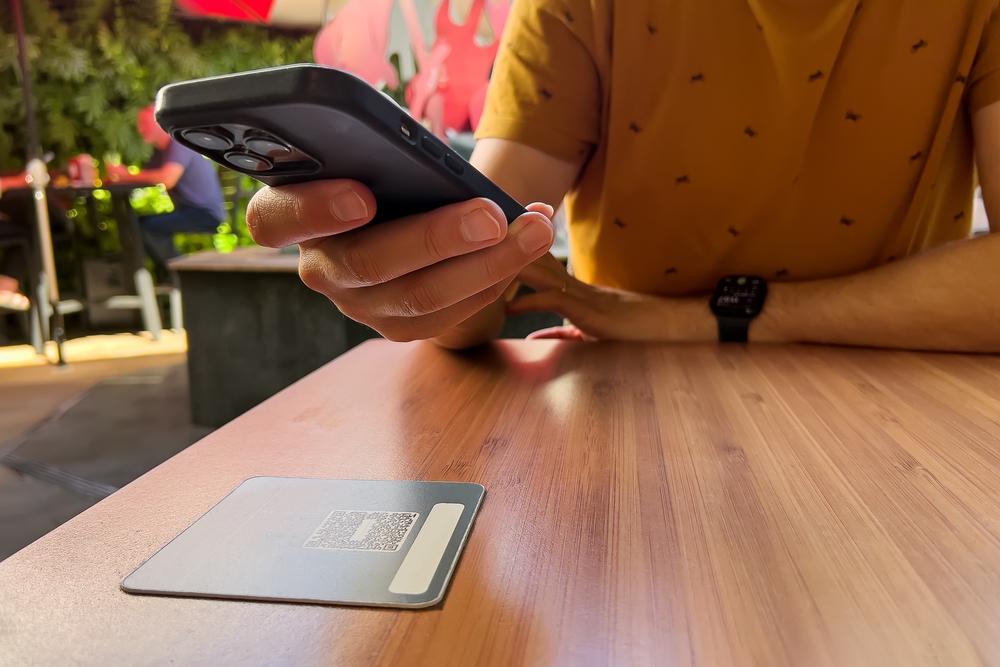
Kiosks have moved from a "nice-to-have" feature to a necessity for reducing wait times and labor costs. Similarly, QR and Table Ordering allow guests to pay and order at their own pace, which has been shown to increase check sizes by 20-30%.
Content Management System (CMS) Integration
The ability to manage digital assets—such as high-quality food photography and video promotions—across digital menu boards and web apps from a single CMS is vital for maintaining brand consistency across a chain.
Conclusion: The Strategic Choice for 2026
The complexity of managing a chain in 2026 requires more than just a digital cash register. It requires an order system that is scalable, integrated, and data-centric. By following this 5-point checklist, you can ensure that your brand is prepared for today's challenges and positioned to lead the market tomorrow.
Don't let legacy technology slow your growth.
Explore how Okya’s Enterprise POS Solutions can streamline your operations and help you build a truly frictionless chain.