How Contactless Payment Standards are Shaping the 2026 Dining Experience

How Contactless Payment Standards are Shaping the 2026 Dining Experience

Digital transformation is rapidly reshaping the restaurant industry, with contactless payment standards becoming a key part of the modern dining experience in 2026. From tap-to-pay cards and mobile wallets to QR-based ordering systems, restaurants are adopting smarter technologies to meet rising customer expectations for speed, convenience, and security. Diners now expect seamless transactions that reduce wait times and minimize physical contact, both in-store and across delivery services. As standardized contactless payment systems become more widely adopted, they are influencing everything from restaurant operations to customer loyalty strategies, helping businesses create faster, more personalized, and more efficient dining experiences in a fast-changing digital marketplace.
The Rise of Contactless Payments in Restaurants
Consumer Demand for Speed and Convenience
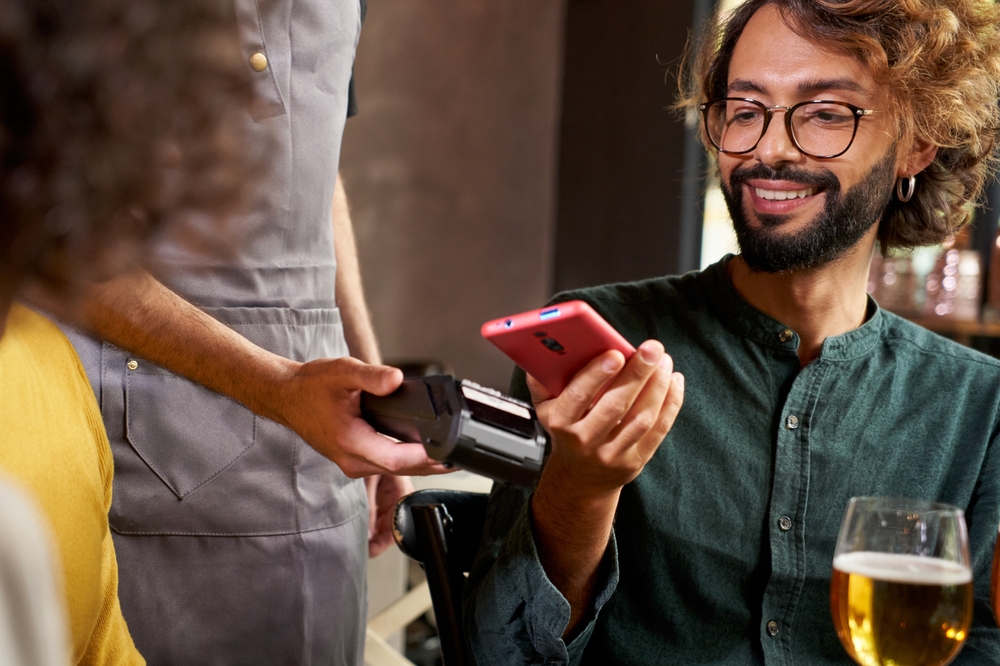
Consumers today expect restaurant payments to be as fast and effortless as the rest of their digital experiences. This growing demand for convenience has accelerated the adoption of contactless payment: tap-to-pay cards, mobile wallets, and QR-based transactions. Instead of waiting for servers to process bills manually, diners can now pay instantly through their smartphones or contactless cards. Quick-service restaurants and cafes especially benefit from shorter checkout times and improved customer flow during busy hours. For many customers in 2026, a slow or outdated payment process can negatively affect the overall dining experience. This encourages restaurants to adopt a seamless and fast process, improving customer satisfaction and retention.
Hygiene and Security Expectations After the Pandemic Era
Even after the pandemic, many diners still prefer payment methods that minimize physical contact. Contactless payment systems help reduce the need to exchange cash, touch payment terminals, or hand over credit cards, creating a cleaner and more comfortable dining environment. Additionally, modern payment technologies now include stronger encryption and tokenization standards that better protect customer information during transactions. These security improvements help build trust among consumers who are increasingly concerned about digital fraud and data privacy. By implementing secure contactless payment systems, restaurants can improve operational safety and reassure customers that their financial information is protected.
The Expansion of Global Payment Standards
The expansion of global contactless payment standards is making restaurant transactions more seamless and accessible than ever before. Restaurants are increasingly adopting universal payment technologies that work across different POS systems, mobile wallets, and banking networks. This compatibility allows international travelers and local customers alike to pay using their preferred methods without technical issues or delays. For instance, a tourist can easily use a digital wallet from their home country at a local restaurant without requiring currency exchanges or special payment apps. As standardized systems continue to grow in 2026, restaurants benefit from smoother operations, broader customer reach, and a more consistent dining experience.
How Contactless Standards are Transforming the 2026 Dining Experience
Faster Table Turnover and Operational Efficiency
Contactless payment systems are helping restaurants improve operational efficiency by significantly reducing payment processing times. Instead of waiting for bills to be printed or cards to be manually processed, diners can complete transactions instantly using tap-to-pay cards or mobile wallets. This allows servers to spend less time handling payments and more time focusing on customer service and order accuracy. Moreover, faster transactions help restaurants increase table turnover without making guests feel rushed during peak hours. For busy cafes, quick-service chains, and full-service restaurants alike, streamlined contactless payment systems create smoother workflows, shorten customer wait times, and support a faster, more efficient dining environment overall.
Personalized and Integrated Customer Experiences
Modern contactless payment systems also offer more personalized dining experiences by connecting payments with customer preferences and digital services: loyalty programs, digital receipts, and customer profiles. This direct connection to payment platforms makes transactions more convenient and tailored to individual diners. For example, a customer paying through a restaurant app may automatically receive personalized discounts based on previous orders or earn loyalty points instantly after checkout. AI-powered systems can also recommend menu items or special offers using customer purchase history. In 2026, these integrated technologies help restaurants strengthen customer relationships while delivering smoother, smarter, and more engaging dining experiences across multiple channels.
The Growth of Self-Service and Hybrid Dining Models
The rise of self-service and hybrid dining models is changing how restaurants operate in 2026. Self-order kiosks, QR-code menus, and pay-at-table technologies allow customers to browse menus, place orders, and complete payments with minimal staff interaction. This parallels how a single connected platform integrates contactless payment systems with options like dine-in, takeaway, and delivery services. Automation is also reshaping staffing models by reducing repetitive tasks and allowing employees to focus more on hospitality and customer support. The landscape of the restaurant industry has evolved to adopt modern technology, creating flexible dining experiences that better match modern customer expectations and behaviors.

Conclusion:
In 2026, there are three key drivers of change regarding customer behavior: convenience, security, and personalization. With the rise of technology and automation, customers now expect a fast, effortless, and simple process as a new norm. Come contactless payment standards that are now influencing the entire globe, forcing the restaurant industry to adapt fast. Contactless payments have now played a major role in restaurant operations, as they help simplify the process and improve customer experiences. Whether it is tap-to-pay cards or mobile wallets, restaurants must be flexible enough to match customer expectations. Adopting modern contactless payment systems will allow restaurants to stay competitive in the evolving 2026 dining landscape by simultaneously improving work efficiency and increasing customer satisfaction.
Okya, a provider of all-in-one solutions for restaurants, offers you a tailor-made integration that will match your systems. If you’re looking for an enabler who can empower your business, book a consultation with us today.
Let Okya help open up new revenue opportunities for you.