The Ultimate Guide to Table Management: Maximizing Reservations for Revenue and Table Flow

The Best Structure to Maximize Reservations for Revenue and Table Flow

The difference between a restaurant that is merely "busy" and one that is truly "profitable" often comes down to a single, frequently misunderstood discipline: table management. In the high-stakes world of modern hospitality, every empty seat represents lost potential, and every bottleneck in the kitchen represents a missed opportunity for revenue.
However, maximizing reservations isn't simply about cramming as many bodies into the dining room as possible. It is a delicate architectural feat that requires balancing floor plan design, reservation pacing, technology integration, and human psychology. This guide explores the best structures to transform your restaurant into a finely-tuned revenue engine.
The Philosophy of Table Management: Beyond the Floor Plan
To truly master table management, one must look past the physical layout of the room. At its core, table management is the strategic orchestration of time and space. It is the science of ensuring that your assets—your tables and your staff—are performing at their peak at all times.
Revenue per Available Seat Hour (RevPASH)
The gold standard for measuring success in table management is RevPASH. Unlike average check size, which only tells you how much a guest spent, RevPASH tells you how well you are utilizing your capacity.
By focusing on this metric, you can identify "dead zones" in your schedule and structural flaws in your seating arrangement. For example, if your RevPASH is low during a "full" Friday night, your table flow is likely broken—either tables are sitting empty between turns, or your table sizes don't match your party sizes.
The Psychology of the "Flow"
"Flow" refers to the rhythmic movement of guests through the various stages of the dining experience: arrival, seating, ordering, consumption, and departure. A structural breakdown in any of these stages creates a "dam" effect, causing backups that frustrate guests and exhaust staff. Understanding this flow allows you to build a structure that supports a seamless transition from one guest to the next.
Structuring Your Physical Space for Maximum Versatility
The physical structure of your dining room is the foundation of your revenue. While aesthetics are important, a rigid floor plan is a profitable floor plan's greatest enemy.
The Power of the "Deuce" (Two-Top Tables)
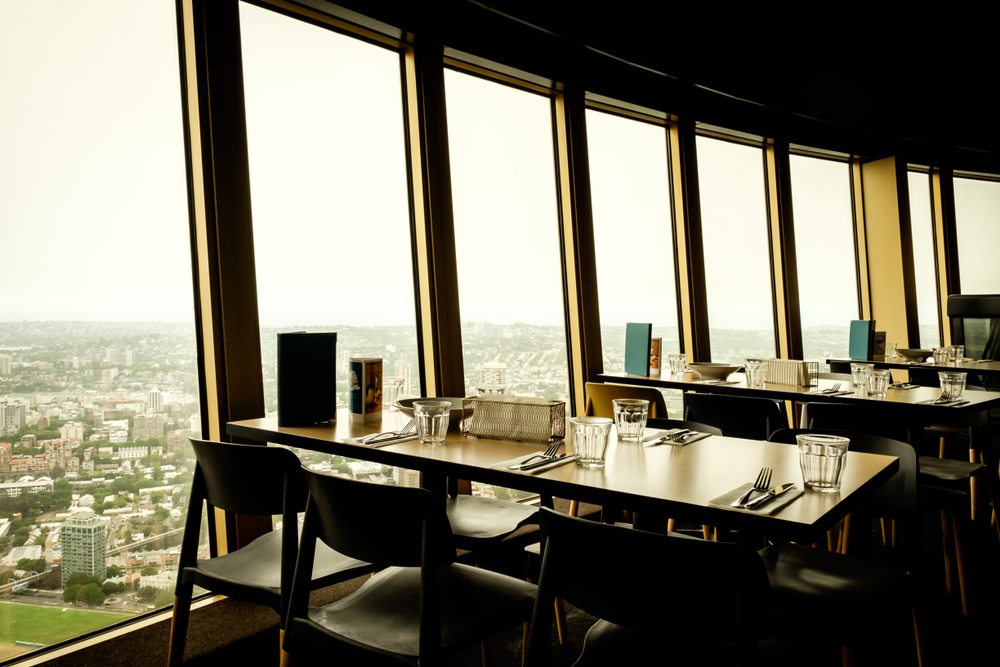
One of the most common mistakes in restaurant design is over-investing in four-top tables. Statistical data across the industry shows that the majority of restaurant parties consist of two people. When a party of two sits at a four-top, you immediately lose 50% of that table's potential revenue.
The solution is to utilize small, square two-top tables (deuces) that can be easily pushed together. This modular approach allows you to accommodate a party of two, four, six, or eight without "killing" extra seats.
Creating Strategic Zones
Large dining rooms should be structured into "zones" or "stations". This helps in two distinct ways:
- Server Efficiency: It limits the physical distance a server must travel, ensuring faster turn times.
- Pacing Control: By rotating which zones are seated first, you can prevent one server (or one section of the kitchen) from being slammed all at once.

"Anchor" vs. "Floating" Tables
A balanced floor plan utilizes two types of seating:
- Anchors: These are fixed booths or large banquettes that cannot move. Use these for larger, guaranteed parties to provide stability.
- Floaters: These are tables in the center of the room that can be reconfigured. These are your "flex" capacity to handle the unpredictability of walk-ins and varying reservation sizes.
Strategic Reservation Pacing: Smoothing the "Rush"
If your restaurant takes 40 reservations all at 7:00 PM, your kitchen will crash, your service will suffer, and your table flow will grind to a halt. Effective table management requires structural pacing.
Staggered Seating Intervals
The best structure for reservations involves 15-minute or 20-minute "waves". Instead of seating 20 tables at 7:00 PM, seat five tables at 6:45, five at 7:00, five at 7:15, and five at 7:30. This staggering ensures:
- The host isn't overwhelmed by a line at the door.
- The bar has a steady flow of drink orders.
- The kitchen receives tickets in a manageable stream rather than a "tsunami".
Overlapping Turns
To maximize revenue, you must structure your reservations so that as one table is "paying out," another party is arriving. This requires a deep understanding of your Average Turn Time. If your average turn time is 90 minutes, a table seated at 6:00 PM should be booked again for 7:45 PM, allowing 15 minutes for cleaning and resetting.
Optimizing Table Turn Times Without Rushing Guests
Maximizing flow depends on the speed of the "turn". However, hospitality is about making guests feel welcome, not processed. The structure of your service must be optimized for speed behind the scenes.
Eliminating "Dead Time"
Dead time is the interval when a table is unoccupied but not yet ready for the next guest. Efficient table management reduces this through:
- Pre-bussing: Removing empty plates and glassware while the guest is still dining so the final clear-down takes seconds.
- Instant Notification: Using a system like OKYA to alert hosts the moment a check is printed, allowing them to prep the next party immediately.
Menu Engineering for Flow
The structure of your menu affects your table flow. High-complexity dishes that take 25 minutes to prep will naturally slow down your turns. If your goal is high-volume flow, your menu should feature a balance of "quick-fire" appetizers and efficiently plated mains.
Leveraging Technology for Intelligent Table Management
In the modern era, a pen-and-paper reservation book is a liability. Advanced table management software provides the structural intelligence needed to make real-time adjustments.
Automated Waitlists and SMS Integration
Flow often breaks down at the front door. By using automated waitlists, you can provide guests with accurate wait times and SMS notifications. This allows guests to wait at a nearby bar—keeping them in your ecosystem—rather than crowding the entryway and obstructing the flow of departing guests.

Predictive Analytics
A sophisticated system doesn't just record bookings; it predicts them. By analyzing historical data, Okya can help you determine exactly how many walk-ins to leave room for on different days, ensuring you never turn away revenue or leave seats empty.
Real-Time Floor Map Visualization
A digital floor map that changes color based on the "status" of a table (Seated, Ordered, Check Printed, Dirty) gives managers a bird's-eye view of the flow. This allows for proactive decision-making—for example, seeing that a table is lingering and adjusting the next reservation to a different section before the guest even arrives.
Yield Management: Structure Pricing for Off-Peak Flow
Revenue management isn't just about the "rush"; it’s about filling the "lulls".
Dynamic Availability
Just as airlines change prices based on demand, restaurants can structure their availability to maximize revenue. This might involve:
- Prime-Time Minimums: Only allowing larger parties during peak hours to ensure high-value tables aren't occupied by a single diner.
- Early-Bird Incentives: Offering "Happy Hour" or prix-fixe menus for reservations before 5:30 PM to shift the demand curve earlier and create an extra "turn" for the evening.
Managing No-Shows
A no-show is a structural collapse of your revenue plan. Implementing credit card "holds" for peak times or large parties ensures that even if a table remains empty, the lost revenue is mitigated.
The Human Element: Staff Training and Communication
Even the most advanced digital structure will fail without a trained team to execute it.
The Role of the "Floor General"
Whether it’s a Maître D' or a lead host, one person must have "eyes on the board" at all times. Their job is not just to seat people, but to manage the strategy of the seating. They should be looking three steps ahead—anticipating which tables will get up next and where the next three parties will go.
Communication Bridges
Effective flow requires a bridge between the front-of-house (FOH) and the back-of-house (BOH). If the kitchen is "in the weeds," the table management strategy must pivot to slow down the seating pace, even if tables are available. This prevents a "service crash" that could lead to negative reviews and lost future revenue.
Conclusion: Summary of the Best Table Management Structure
To maximize reservations for revenue and flow, your restaurant structure should adhere to these core pillars:
- Modular Seating: Use deuces that combine to match actual party-size data.
- Staggered Reservations: Avoid the "7:00 PM crush" by seating in 15-minute waves.
- Active Turn Management: Use technology to track table status and minimize "dead time" between guests.
- Data-Driven Decisions: Use RevPASH to measure success and adjust your floor plan seasonally.
- Automated Communication: Use tools like Okya to manage waitlists and guest expectations.
By treating table management as a structural science rather than an administrative task, you transform your restaurant from a chaotic workspace into a finely-tuned revenue engine.
Implementing a "best-in-class" table management structure is nearly impossible to do manually. Okya provides the digital infrastructure to automate your floor plan, manage your waitlist, and provide the analytics needed to boost your RevPASH. By letting technology handle the pacing and tracking, your team can focus on what they do best: providing an unforgettable guest experience.


