The Ultimate Tech Stack for High-Volume Restaurants: Integrated Reservations and Table Management

The Ultimate Tech Stack for High-Volume Restaurants: Integrated Reservations and Table Management
Managing the flow of guests is often the difference between a record-breaking service and a night full of frustration. When your lobby is full and the kitchen is at capacity, a manual reservation book or a standalone booking app is no longer enough.
To scale successfully, modern restaurant chains need a cohesive tech stack where reservations work in perfect harmony with real-time table management. At Okya, we focus on eliminating the friction between booking a table and seating a guest, turning operational chaos into a seamless experience.

The Challenges of High-Volume Guest Flow
Running a high-volume restaurant means managing hundreds of moving parts in real time. Without the right systems in place, even a small disruption can ripple across the entire shift. Here are three of the most common operational breakdowns that hurt both revenue and guest satisfaction:
The "No-Show" Impact
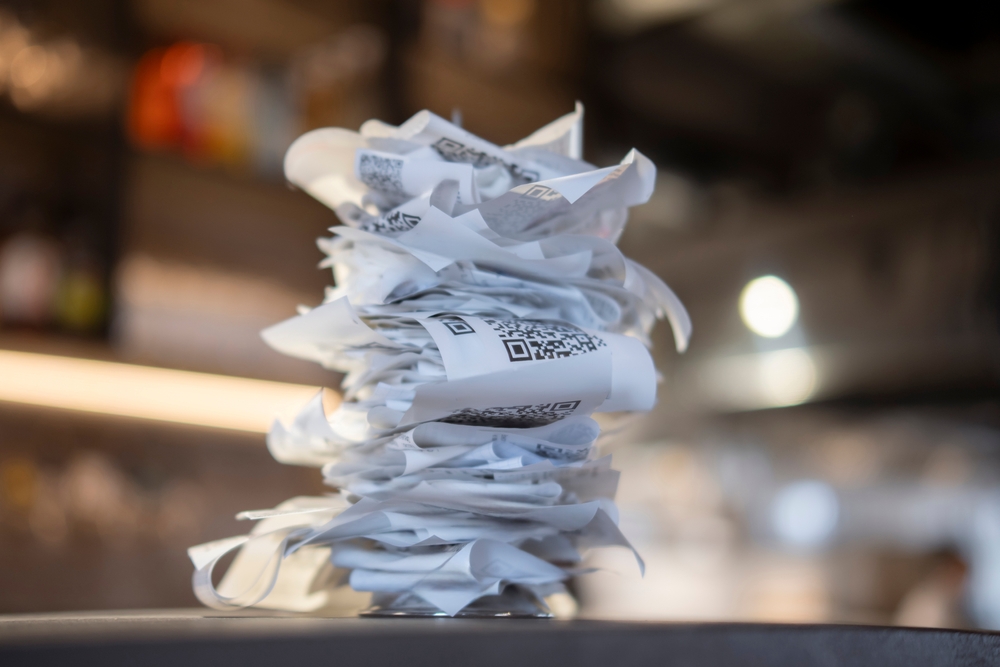
Every empty table during peak hours is lost revenue—and no-shows are a major contributor. Without automated confirmations, deposits, or last-minute reminders, it’s hard to maintain accurate forecasts or prepare your staff for real demand.
Manual Bottlenecks
Legacy tools like paper books or siloed reservations apps slow everything down. Hosts must constantly toggle between platforms, take phone calls, and manually update seating plans—wasting time and creating opportunities for errors.
Inaccurate Wait Times
When reservations don’t sync with real-time table status, quoted wait times are often off. That leads to frustrated walk-ins, overcrowded lobbies, and misaligned kitchen pacing. In a high-volume setting, even a few minutes off can break your flow.
Why Integrated Reservations Are the Foundation of Efficiency
A standalone reservations tool shows you who’s coming. An integrated one tells you how to prepare, how to pace, and how to maximize revenue. When your reservation system connects directly with your POS and Admin Dashboard, you get a real-time view of your covers, guest flow, and dining patterns—across every channel.
This isn’t just convenience—it’s the core of operational efficiency.

Reducing No-Shows with Automation
No-shows are more than an annoyance; they’re a hit to your bottom line. With integrated reservations, you can reduce them through:
- Automated reminders sent by SMS or email or AI Voice Agents
To save your staff from spending hours on "confirmation calls" and gives the guest a private, low-pressure way to remember their commitment. It’s a helpful service rather than an intrusive interruption.
- Deposit or pre-authorization workflows during high-demand slots
To create a sense of accountability without being a burden. Guests who have committed financially are far more likely to show up—or at least cancel in time for you to re-book the table. You can even set these rules to only "turn on" for your busiest shifts.
- One-click confirmations that sync directly with your admin dashboard
Your front-of-house team gets a real-time, color-coded view of who is definitely coming. If a guest cancels via the link, the system can automatically notify people on your waitlist, filling that empty gap before your host even notices it.
These tools reduce the burden on your team and increase accountability on the guest side—without friction.
Creating a Unified Guest Profile
When bookings, past orders, and loyalty data all live in one place, you unlock a 360-degree view of every diner.
- Know if they’re a first-time guest or a regular
Your host can welcome a regular back by name or give a first-time guest a warm introduction to the concept. This immediate recognition builds an emotional connection that keeps guests coming back.
- See their average spend, favorite dishes, and dietary tags
Ensure safety protocols are met seamlessly. It makes the service feel intuitive and deeply personal.
- Recognize birthdays, preferences, or past feedback
Surprising a guest with a birthday dessert or acknowledging a preference for a quiet corner shows that you are listening. These "wow" moments are what drive five-star reviews and word-of-mouth referrals.
This level of insight lets your staff deliver personalized service at scale, while marketing and ops teams gain the data they need to optimize campaigns, menus, and pacing.
Table Management: The Engine of Table Turnover
Once a guest walks through the door, the reservation ends—and table management begins. This is where speed and hospitality need to work together. The goal isn’t just to seat quickly—it’s to keep the dining room running at full capacity without making guests feel rushed or overlooked.
A modern table management system doesn’t just show where guests are seated. It helps your staff make smarter decisions in real time.
Real-Time Floor Map Sync
Your host team needs to see the full picture at a glance. With a live, interactive floor map, they can:
- View seated tables and estimated dining durations
It allows the host to estimate exactly when a table will turn. By seeing "Estimated Dining Durations," they can give waiting walk-ins accurate wait times, which reduces frustration and keeps your lobby clear.
- Track upcoming reservations and walk-in status
Your team can "tetris" walk-ins into gaps they didn't know they had. If the map shows a 90-minute window before the next reservation, the host can confidently seat a walk-in party, maximizing your seat occupancy without double-booking.
- Flag VIP guests or special requests
Any manager or server walking past the host stand can glance at the screen and immediately know which tables require extra attention. It ensures that "special requests" are never forgotten in the heat of a rush.
- Instantly update the status of each table (e.g., ordering, eating, paying)
The host knows the moment a table is "Dirty" and exactly when it becomes "Clean." This allows the next party to be seated the second the table is ready, shaving minutes off your turn times and increasing the total number of covers you can serve in a night.
All of this is visible in one dashboard—keeping communication clear and helping staff seat the next party as soon as a table is cleared.
Optimizing Seating Logic
Smart table management isn’t just about availability—it’s about optimization. The system should:
- Recommend the best fit for each party size
It preserves your large tables for bigger groups (who typically spend more) and ensures you aren't "wasting" seats. Over a busy month, this logic can help you fit dozens of extra guests into the same footprint.
- Balance server sections for smoother service
By spreading the workload evenly, your staff stays calm and attentive. It prevents the "cascading delay" where one server gets so behind that their guests stop ordering appetizers or desserts because they’re tired of waiting.
- Prevent bottlenecks in the kitchen by pacing seatings
It staggers the orders hitting the kitchen, allowing the chefs to maintain a steady rhythm. Guests get their food faster, and the dining room feels energetic rather than chaotic. Happy kitchens produce better food, which leads to better reviews.
- Identify turnover gaps and opportunities
It alerts the host that "Table 12 is free for exactly 60 minutes." This allows you to squeeze in an extra "turn" that would otherwise have been lost. These small windows, when added up across the whole restaurant, can significantly increase your total covers per shift.
When done right, table management becomes a revenue multiplier, helping you increase covers per shift without compromising guest experience.
The Power of O2O: Connecting Online Booking to Offline Dining
A guest’s experience doesn’t begin at the host stand—it begins the moment they tap “Reserve” on their phone.
At Okya, we design systems that support the O2O (Online-to-Offline) journey from end to end. That means making sure the path from mobile screen to dining table feels seamless, personalized, and efficient—no matter how busy the service gets.
Centralized Control
Disjointed systems create confusion for both staff and guests. By centralizing your bookings, walk-ins, guest profiles, and table statuses into one dashboard, your team can:
- See exactly who’s arriving and when
Your team can look ahead at the next hour and see the "wave" of arrivals before it hits. This allows them to prepare high chairs, set up large party configurations, or pre-assign VIP tables before the guests even step through the door.
- Track guest history across channels
No matter which staff member is working, the "memory" of that guest is preserved. Your team can proactively address past feedback or double-check a recurring allergy, making the guest feel truly seen and valued across every interaction.
- Instantly seat guests based on real-time availability
It slashes the "time-to-seat." Instead of saying "Let me go check on a table for you," your host can say "Right this way." This creates a high-end, efficient atmosphere and keeps your entryway from becoming overcrowded.
- Adjust pacing to match kitchen capacity
It gives you a "volume knob" for your operations. By slowing things down by just a few minutes during a crisis, you prevent the kitchen from crashing, ensure food quality remains high, and keep server stress levels manageable.
This level of control not only improves efficiency—it also reduces stress on your staff during peak times.

Seamless Walk-ins
Not every guest books ahead. That’s why walk-in management is a key part of the O2O experience. Okya allows your team to:
- Add walk-ins to a smart queue that syncs with floor activity
It eliminates the "hopes and prayers" method of seating. Your staff can see exactly where the walk-in will fit, ensuring the dining room stays at maximum capacity without accidentally overbooking a table promised to a reservation later.
- Quote accurate wait times based on current turnover and seating logic
Guests appreciate honesty. If you tell them 40 minutes and seat them in 35, they start their meal delighted. Accurate quotes reduce "walk-aways" and build trust before the first drink is even poured.
- Send SMS updates to guests waiting outside or nearby
Guests are free to visit a nearby bar or walk around the neighborhood. This "frictionless" wait makes the delay feel shorter and keeps your entryway clear for arriving reservations and departing guests.
- Capture data from walk-ins to build future loyalty
You can now track how often that "walk-in" guest returns. If they’ve visited three times without a booking, you can send them a targeted invite to try your reservation system, slowly converting them into a predictable, loyal customer.
Even without a booking, the guest journey should feel just as thoughtful—and just as connected.
Building Your Stack: What to Look For
Not all restaurant tech is built for high-volume environments. When evaluating platforms to support your guest flow, reservations, and table turnover, focus on solutions that are built to scale without breaking.
Here are the three pillars that matter most:
Reliability
During peak service, there’s no room for lag, outages, or delayed syncing. Your tech stack needs to perform under pressure—just like your team. Look for:
- Proven uptime and performance under load
Ensure the system has Offline Resilience—meaning if the Wi-Fi blips, your host can still see the floor map and seat guests.
- Offline resilience or auto-recovery features
Even the best digital systems must prepare for the worst: unstable internet, power outages, or hardware hiccups. In these moments, operational continuity can’t grind to a halt. That's where offline resilience and auto-recovery features come into play.
- Responsive support for time-sensitive issues
In hospitality, minutes matter. When issues arise—be it a frozen KDS screen, a misfired payment integration, or a printer that won’t connect—you need live, responsive support that understands service cannot stop.
In high-volume operations, system stability directly impacts revenue and guest satisfaction.
Data Connectivity
Your tools shouldn’t live in silos. Choose a system that connects your:
- Reservation and table management platform
It prevents the nightmare of overbooking. The system understands your physical constraints—like the fact that you can’t seat two large parties at the same time without crashing the kitchen—and manages the flow automatically. It turns your floor plan from a static map into a live, breathing strategy.
- POS, kitchen systems, and payment gateway
Your host doesn't have to pace the floor to see if Table 10 is almost done; the POS tells them. This allows for "pre-seating"—telling a waiting walk-in, "Your table is being cleaned right now," because the system saw the payment go through 30 seconds ago. It shaves minutes off every turn, which adds up to more covers every night.
- Loyalty, CRM, and guest feedback tools
When that guest calls to book again, your staff sees a note: "Top spender, loves the corner booth, had a great experience last time." You can then personalize their next visit without them saying a word. It allows you to automate your marketing—sending a "Happy Birthday" discount to their favorite dessert—without any manual effort from your team.
Seamless data sharing lets you act on real-time insights, personalize service, and make faster decisions.
Read more: A Guide for a Successful Loyalty Program
Intuitive User Interface (UI)
Even the best system fails if your team won’t use it. Prioritize solutions with:
- Clean, touch-friendly layouts
This reduces "screen fatigue" and prevents the frustration of mis-clicks. When the interface is designed for the human hand—not a mouse and keyboard—the tech feels like a natural extension of the server's workflow.
- Simple onboarding and training
New hires can become "floor ready" in a single shift. When the system is self-explanatory, experienced managers spend less time playing "tech support" and more time mentoring their team on the floor.
- Clear visual cues for table status, wait times, and guest flow
A manager can glance at a tablet from five feet away and instantly see the "health" of the dining room. They can spot bottlenecks—like five tables all waiting for their checks—and jump in to help before the guest even has to ask.
Your team needs to move fast. A well-designed UI makes adoption easier, reduces errors, and frees staff to focus on guests—not on tech.
Conclusion: Turning Efficiency into Hospitality
Technology should never get in the way of hospitality; it should make it effortless. By integrating your reservations with advanced table management you remove the administrative burden from your staff. This allows them to step out from behind the computer screen and get back to what matters most: taking care of the guest.
Ready to run a smarter operation?
Explore how Okya’s all-in-one solution unifies your front-of-house and back-of-house operations.


